Unveiling Ties Between Venue Amenities, Meal Options, and Performance Lineups via Promotional Alerts and Official Disclosures
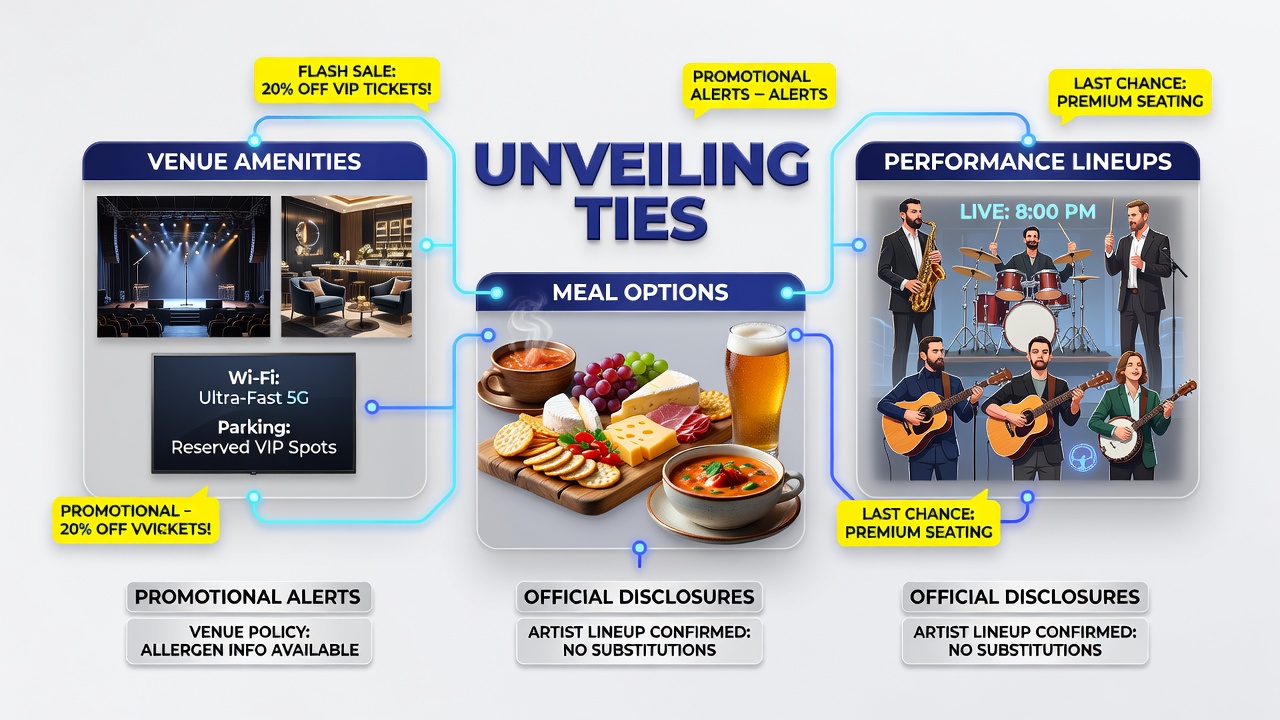
Observers tracking casino operations across multiple regions have noted consistent patterns where venue amenities, meal options, and performance lineups connect through promotional alerts and official disclosures, creating traceable links that shape guest experiences without relying on isolated announcements. Data from regulatory filings shows these elements often appear bundled in seasonal campaigns that reference specific facility upgrades alongside dining packages and entertainment schedules.
Promotional Alerts as Connectors
Promotional alerts distributed via email and mobile apps frequently list amenity access, such as spa facilities or gaming floor expansions, in the same messages that detail set menus and headliner appearances, allowing recipients to see direct correlations between the offerings. Figures from industry reports indicate that these alerts reference compliance documents to substantiate claims about new installations or menu changes, which helps operators maintain transparency while highlighting integrated experiences. One study of North American properties found that alerts mentioning July 2026 events paired renovated lounge areas with limited-time tasting menus and outdoor concert series, establishing clear pathways from facility improvements to culinary and performance details.
Those monitoring disclosure practices point out that operators use these alerts to preview information later formalized in regulatory submissions, reducing the gap between marketing language and verified records. According to the National Indian Gaming Commission, such coordinated releases appear more often when venues introduce multi-component packages that tie room upgrades to chef collaborations and ticketed shows.
Role of Official Disclosures
Official disclosures filed with gaming authorities provide the factual backbone for these connections, as they require detailed descriptions of amenity changes, food service modifications, and entertainment contracts that promotional materials then reference. Research indicates that patterns emerge when disclosures list capital expenditures for venue enhancements alongside supplier agreements for meals and artist bookings, creating documented trails that alerts later translate into consumer-facing language. In European markets, filings submitted to oversight bodies often include timelines that align construction completions with menu launches and performance calendars, offering observers concrete data points rather than vague promotions.
What's interesting is how these documents sometimes reveal geographic variations, with Swiss venues incorporating seasonal adjustments more explicitly than some U.S. counterparts, while still maintaining similar structural links between the three categories. Data shows that July 2026 projections in recent disclosures highlight increased emphasis on outdoor amenities paired with regional cuisine options and festival-style lineups, allowing analysts to map forward-looking commitments across properties.
Integrated Patterns Across Regions
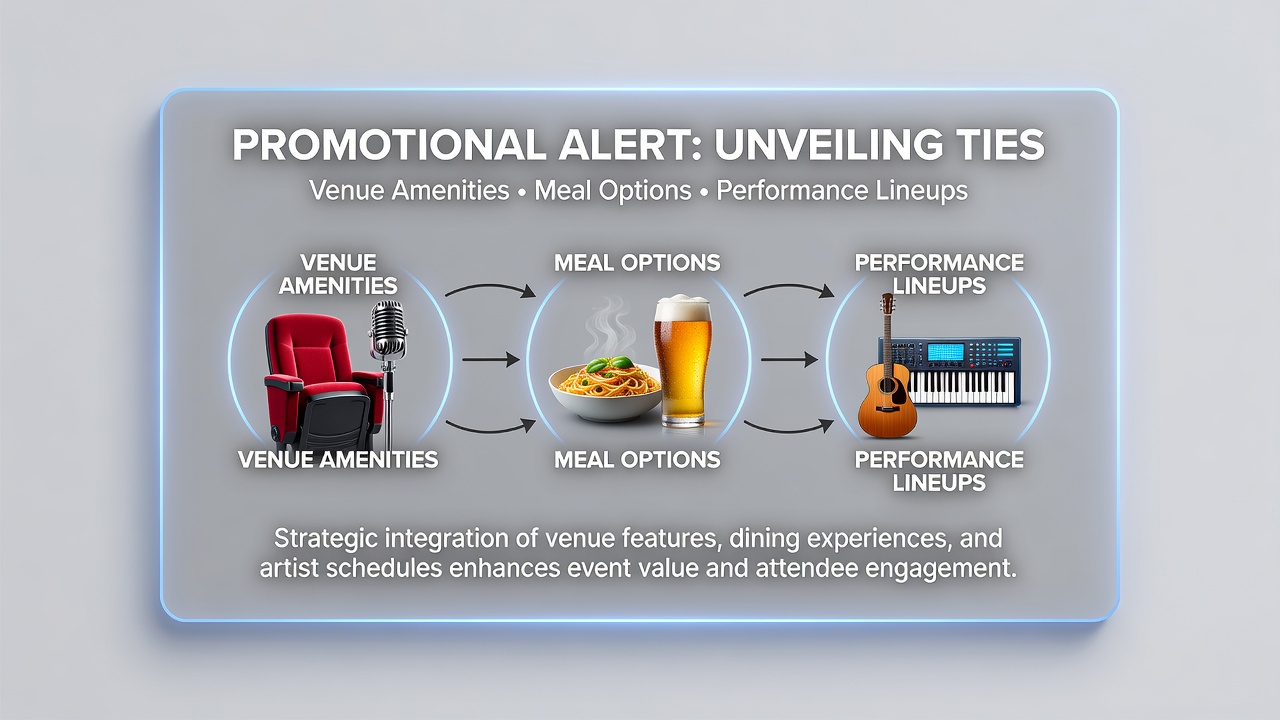
Across different jurisdictions, the interplay between alerts and disclosures produces observable clusters where amenity investments correlate with specific meal innovations and performance bookings, rather than operating as standalone features. Evidence from compliance records demonstrates that operators who update their filings on facility expansions tend to follow with alerts that reference those same expansions when promoting dining events or ticket bundles, thereby reinforcing the connections for both regulators and guests. Observers note that this approach appears in both tribal gaming operations and European casino groups, though the depth of detail in disclosures varies by local requirements.
Turns out the timing of these releases often coincides with quarterly reporting cycles, which creates predictable windows for identifying how new amenities influence menu development and artist selections. A report from the Swiss Federal Department of Justice and Police outlines how such coordinated disclosures help track seasonal offerings without fragmenting information across unrelated announcements. Properties that follow this model show higher consistency in how they present combined packages, according to aggregated filing reviews.
Tracking Seasonal and Compliance Links
Seasonal offerings gain additional structure when disclosures specify exact dates for amenity rollouts, meal service changes, and performance schedules, which alerts then repackage into targeted campaigns. Researchers who examined multiple filing sets found that venues referencing July 2026 developments frequently grouped these elements under unified compliance sections, making it easier to trace relationships between physical upgrades, culinary programming, and entertainment calendars. This method reduces redundancy while providing verifiable context that promotional channels can cite directly.
People reviewing these records have identified recurring structures where capital project descriptions precede supplier contracts for food services and talent agreements, establishing a logical sequence that alerts mirror in their presentation order. Such patterns hold across different property sizes and regulatory environments, suggesting a common operational approach rather than isolated strategies.
Conclusion
The documented relationships between venue amenities, meal options, and performance lineups emerge most clearly when promotional alerts draw directly from official disclosures, producing traceable and consistent information flows. Regulatory data continues to show these connections strengthening through structured reporting that aligns facility details with dining and entertainment commitments, particularly around projected timelines such as July 2026. This framework allows stakeholders to follow developments across regions without relying on disconnected announcements, as the underlying filings supply the factual foundation that alerts then distribute to wider audiences.