Unpacking Coordination Patterns Among Infrastructure Details, Meal Packages, and Performance Schedules via Compliance Filings and Notification Systems in Alpine Entertainment Sites
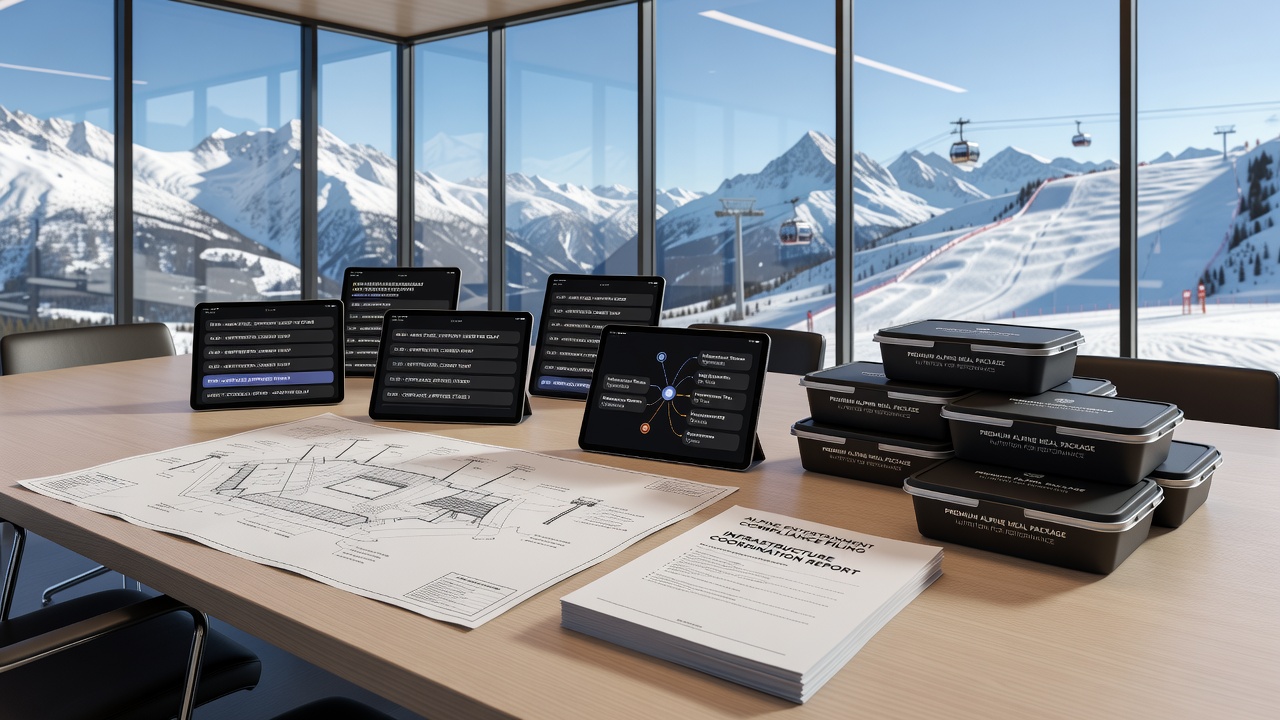
Alpine entertainment sites maintain intricate systems that link infrastructure updates, bundled meal options, and live performance timetables through structured compliance filings and public notification channels, and observers note these connections surface most clearly during peak summer periods such as July 2026 when seasonal adjustments accelerate. Regulatory frameworks in mountainous regions require venues to submit detailed reports on facility modifications, while simultaneous disclosures cover dining packages and entertainment calendars, creating traceable patterns that researchers track across multiple properties.
Regulatory Frameworks Guiding Alpine Venue Operations
Swiss cantonal authorities along with federal oversight bodies establish the baseline for how entertainment facilities document changes to physical infrastructure, and these same channels carry information about meal service modifications and show scheduling adjustments. Data from the Swiss Federal Council gaming regulations shows that filings must include timelines for maintenance work that could affect guest access, and those same documents often reference aligned dining promotions and performance bookings to ensure transparency for oversight committees. Notification systems operate on fixed cycles, releasing updates at regular intervals that allow external analysts to map overlaps between infrastructure projects and service bundles.
Infrastructure Coordination Through Official Channels
Maintenance cycles at alpine sites follow seasonal demands, with major work frequently scheduled after winter peaks and before autumn tourism surges, while compliance documents detail equipment upgrades, accessibility improvements, and structural reinforcements that venues must report before implementation begins. One study from the University of Applied Sciences and Arts Western Switzerland examined filing patterns and found consistent cross-references between infrastructure timelines and adjusted meal service hours during renovation windows. These reports also list any temporary closures that might shift dining package availability or performance start times, allowing regulators to verify that guest services remain aligned with announced changes.
Meal Package Integration With Performance Timetables
Notification systems publish bundled offerings that combine dining reservations with ticketed shows, and these announcements appear alongside infrastructure status updates to demonstrate operational continuity. Compliance filings reveal that venues adjust package pricing and availability in response to facility modifications, such as kitchen renovations or dining room expansions, while performance schedules shift to accommodate construction noise restrictions or venue reconfiguration periods. Records from July 2026 filings indicate multiple alpine properties synchronized summer dining promotions with evening entertainment lineups, using the same disclosure portals to inform both regulators and the public about coordinated changes.
Patterns Emerging From Cross-Referenced Disclosures
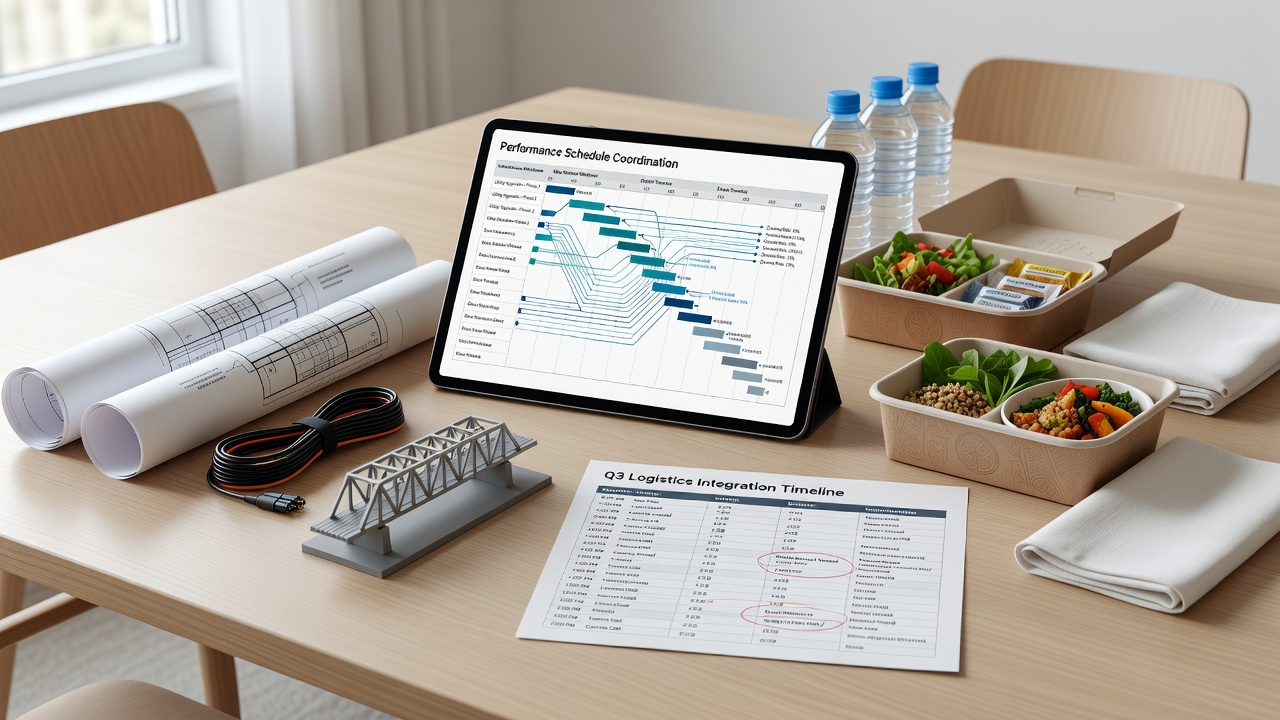
Analysis of archived filings shows recurring sequences where infrastructure announcements precede updates to meal packages, which then align with revised performance schedules within set timeframes. Researchers at the International Centre for Gaming Studies documented these sequences across several alpine jurisdictions and noted that notification systems facilitate rapid public access to revised information, reducing discrepancies between planned work and guest services. July 2026 documents from multiple sites illustrate this flow, with infrastructure reports filed first, followed by dining adjustments and entertainment confirmations that reference the same project codes used in earlier submissions.
Notification Systems and Data Accessibility
Public portals maintained by regional gaming commissions release filings in standardized formats that enable systematic tracking of coordination efforts, and these platforms include search functions that link infrastructure entries to related service announcements. Industry reports from the European Casino Association highlight how centralized notification databases improve oversight efficiency, allowing authorities to confirm that meal package changes and performance schedule revisions remain consistent with approved infrastructure plans. Observers who monitor these systems report that July 2026 updates demonstrated tighter integration compared with previous years, as venues submitted combined disclosures covering all three operational areas within single filing cycles.
Case Examples From Recent Filing Periods
One alpine property submitted infrastructure upgrade documentation in early spring 2026 that outlined extended closure periods for structural work, and subsequent notifications adjusted dining packages to off-site locations while shifting performance dates to alternative stages. Another site filed compliance updates in June that coordinated kitchen modernization timelines with new summer tasting menus and outdoor concert additions, using the same reference numbers across documents. These examples appear in aggregated regulatory summaries released through official channels and illustrate how venues use shared filing frameworks to maintain operational transparency during complex scheduling periods.
Conclusion
Coordination patterns at alpine entertainment sites emerge directly from requirements embedded in compliance filings and notification systems that connect infrastructure details with meal packages and performance schedules, and July 2026 records provide clear illustrations of these linkages. Regulatory bodies continue to refine disclosure standards that support systematic tracking, while industry organizations and academic researchers examine the resulting data for operational insights. These mechanisms ensure that venue adjustments remain documented and accessible, creating reliable records that span physical facility changes and guest service offerings across seasonal cycles.