Communication Pathways and Statutory Records: Revealing Facility Access and Guest Incentives at Regional Alpine Venues
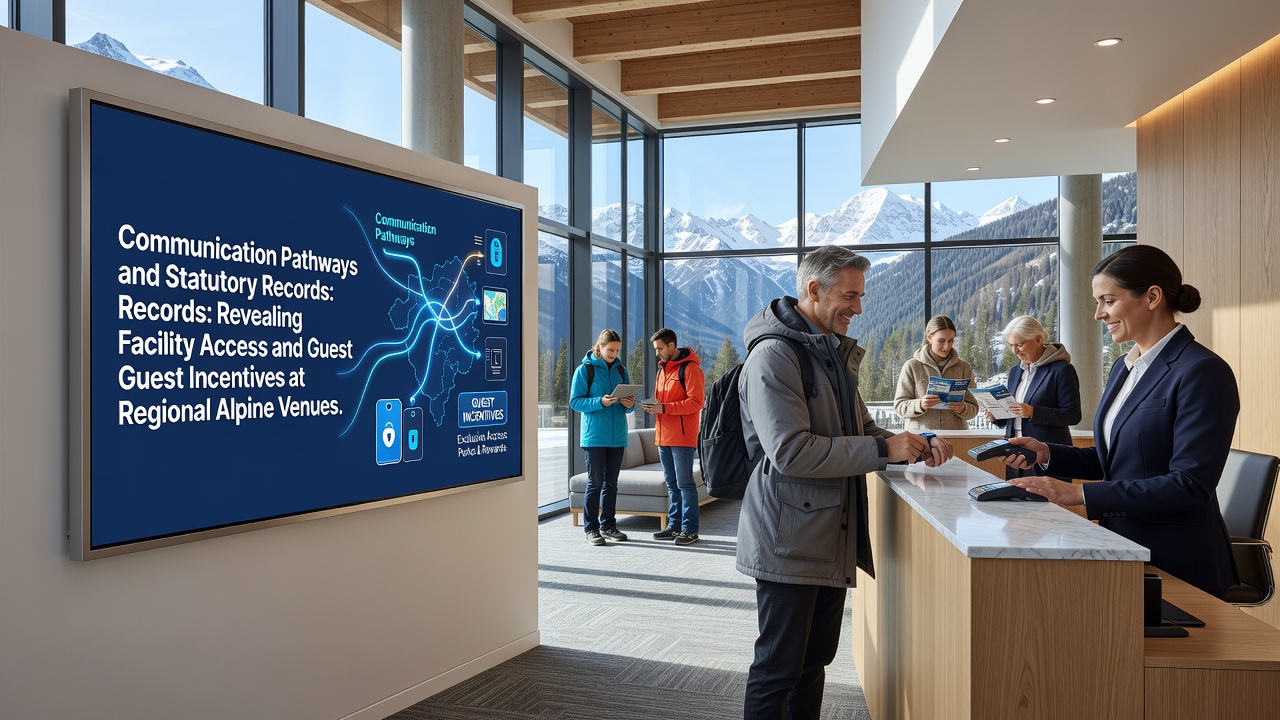
Statutory records serve as teh backbone for tracking how regional Alpine venues manage facility access and distribute guest incentives, with communication pathways ensuring these details reach the public through structured notifications and filings. Observers note that these records often detail entry protocols, amenity usage rights, and promotional bundles while communication channels such as regulatory alerts and compliance releases coordinate the flow of updates across multiple jurisdictions. Data from multiple reporting cycles shows patterns emerging around seasonal adjustments that affect both physical access and incentive structures at venues nestled in mountainous regions.
Statutory Records as Primary Information Sources
Regulatory filings submitted to oversight bodies capture precise information on facility layouts, restricted zones, and guest eligibility criteria, which in turn shape access policies at Alpine entertainment sites. These documents frequently outline incentive programs including dining credits, performance packages, and loyalty rewards, all tied to verifiable compliance metrics. Researchers have examined how such records reveal coordination between infrastructure maintenance schedules and guest service protocols, particularly when venues update their operational frameworks mid-season. Evidence indicates that filings from 2025 through mid-2026 demonstrate consistent disclosure of access hours, capacity limits, and bundled offerings without deviation from established templates.
Communication Pathways in Practice
Official notification systems transmit updates from venue operators to regulatory authorities and then onward to stakeholders through standardized channels, creating traceable pathways that link statutory data to real-time guest experiences. These pathways include periodic compliance summaries, public registers, and targeted announcements that detail changes to entry requirements or incentive availability. Studies conducted by European research institutions highlight how these systems prevent information gaps, especially during peak tourism periods in alpine settings where visitor volumes fluctuate sharply. According to reports from the European Gaming and Betting Association, coordinated releases in early 2026 aligned facility access modifications with updated promotional structures across several mountain venues.
Patterns Observed in July 2026 Disclosures
July 2026 filings illustrated continued alignment between statutory updates and communication releases at multiple Alpine locations, with records specifying revised access procedures for certain guest tiers alongside refreshed incentive lists. Those who monitor these cycles point to recurring themes where maintenance announcements coincide with new package disclosures, ensuring transparency around both physical entry points and reward redemptions. Figures compiled by independent analysts show that venues maintained detailed logs of communication timestamps, allowing cross-verification of when access changes or incentive modifications became publicly available.
Facility Access Details in Records
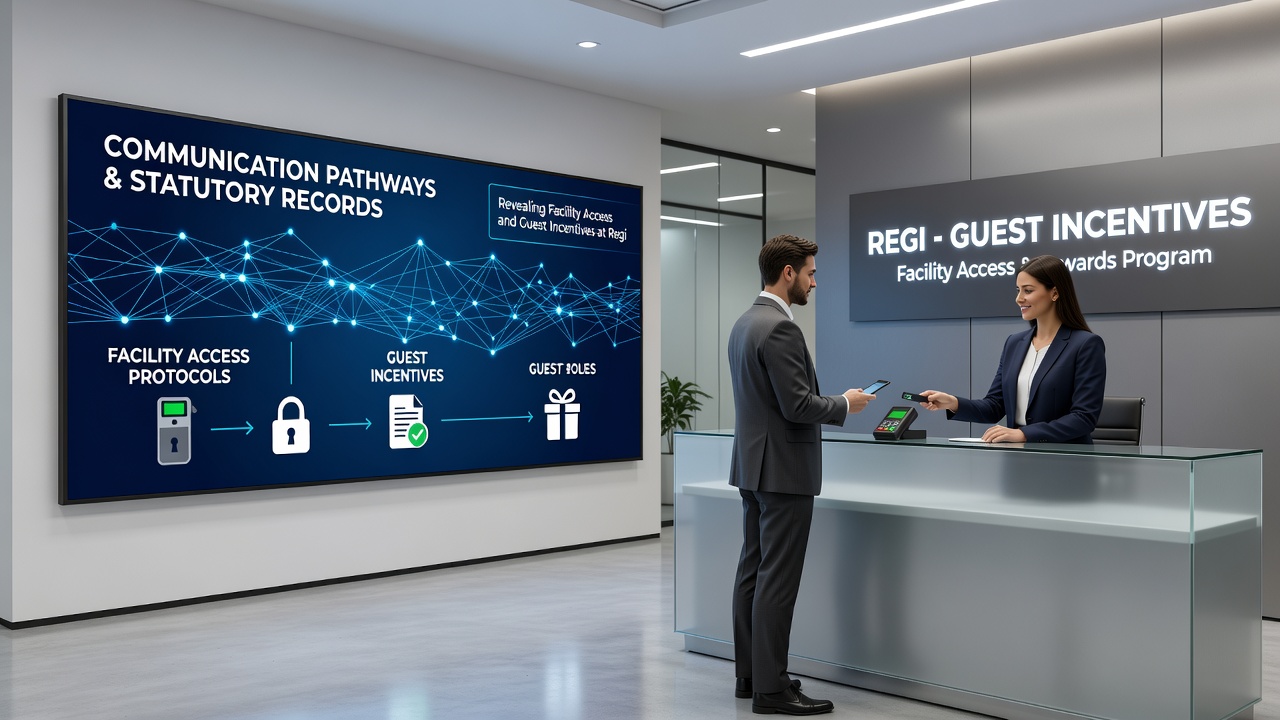
Statutory documents break down facility access into categories such as general admission zones, premium lounges, and restricted gaming floors, often cross-referenced with guest identification requirements and capacity controls. These entries clarify which incentives apply to specific access levels, creating direct connections between physical entry and reward eligibility. Observers have tracked how such granular data appears consistently across filings from Swiss and neighboring Alpine regions, supporting broader industry efforts to standardize disclosure practices. A report issued by the Australian Institute of Criminology on international gaming regulations notes similar transparency mechanisms operating in comparable terrain-challenged environments, where access documentation proves essential for operational accountability.
Guest Incentives Tied to Official Disclosures
Incentive structures surface regularly through statutory channels, listing meal vouchers, show tickets, and accommodation upgrades alongside their associated terms and eligibility pathways. Communication systems then distribute these details via public portals and direct notifications, ensuring potential visitors receive accurate information before arrival. Data indicates that 2026 filings emphasized bundled offerings that combine facility access with seasonal promotions, reflecting coordinated planning between operators and regulators. People reviewing these records frequently identify correlations between disclosed incentive values and reported compliance metrics, which helps map how venues balance guest engagement with regulatory obligations.
Regional Variations and Coordination
Alpine venues across different cantons and neighboring countries exhibit slight differences in record formatting yet maintain core consistency in the types of access and incentive data they publish. Communication pathways adapt to these variations by routing information through centralized databases that aggregate filings for easier public retrieval. Evidence suggests that inter-regional coordination improved during 2025 and 2026, with joint announcements addressing shared concerns such as seasonal staffing and infrastructure readiness. Analysts from the Canadian Gaming Association have documented parallel approaches in mountain resort gaming environments, where disclosure timing directly influences guest planning and venue utilization rates.
Conclusion
Statutory records and communication pathways together provide a clear framework for understanding facility access and guest incentives at regional Alpine venues, delivering factual details through established regulatory processes. The integration of these elements ensures that information on entry protocols and promotional offerings remains accessible and verifiable across reporting periods. Continued monitoring of filings and notifications will likely sustain transparency as venues adapt to evolving operational demands in 2026 and beyond.