Analyzing Coordination Between Infrastructure Maintenance Cycles and Guest Service Protocols Through Official Casino Releases
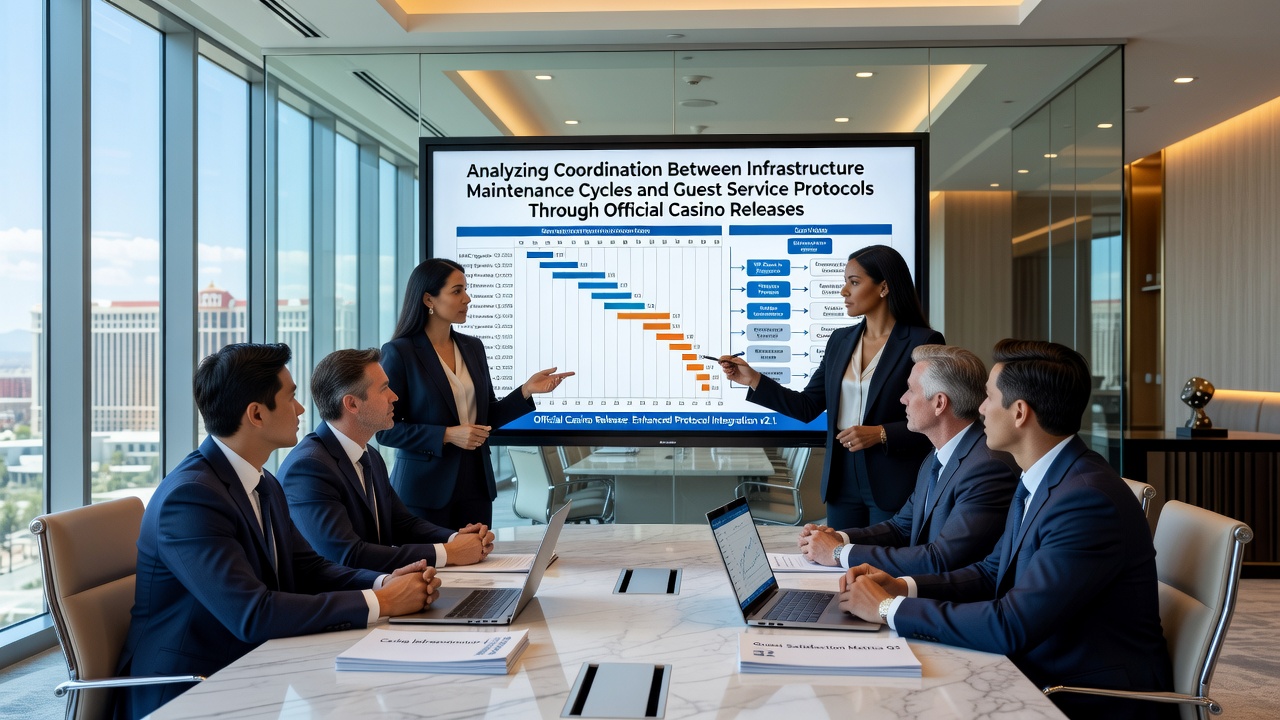
Official casino releases serve as primary sources for tracking how properties align infrastructure maintenance cycles with guest service protocols, and these documents often reveal structured timelines that minimize disruptions during peak periods. Data from multiple jurisdictions shows operators publishing detailed schedules that coordinate facility upgrades with adjusted service offerings, creating predictable patterns observers can map across regions.
Maintenance Cycles and Their Disclosure Patterns
Properties typically structure maintenance cycles around quarterly or semi-annual windows, with releases detailing specific closures for HVAC systems, flooring replacements, and structural assessments. These announcements frequently specify start and end dates while outlining temporary service modifications such as relocated dining options or altered gaming floor access. Releases from July 2026 highlight several North American operators publishing synchronized plans that pair electrical upgrades with extended shuttle services to maintain guest flow during work periods.
Coordination appears through explicit statements in regulatory filings that link maintenance phases to service continuity measures. For instance, when a property schedules roof repairs over a three-week span, the corresponding release often describes expanded valet capacity and mobile check-in stations to offset any lobby limitations. Such pairings reduce operational friction, and analysts reviewing these documents note consistent language around guest notification timelines that precede actual work by at least fourteen days.
Guest Service Protocols in Official Documentation
Guest service protocols documented in releases cover everything from dining reservations to entertainment scheduling, with operators describing contingency arrangements whenever maintenance affects common areas. These protocols commonly include tiered communication strategies that begin with website banners and progress to direct emails for loyalty members. Figures from industry reports indicate properties that publish integrated maintenance and service documents achieve higher compliance scores during regulatory reviews.
What's notable is how releases often embed service adjustments directly within maintenance timelines rather than treating them as separate sections. A single paragraph might outline carpet replacement on the second floor alongside details about temporary gaming machine relocations and added staff at alternative bars. This integrated format allows readers to see the full scope of changes at once, and it appears more frequently in disclosures from larger resort-style properties than in smaller gaming halls.
Regional Variations in Release Practices
North American operators tend to include quantitative metrics in their releases such as expected downtime hours and projected guest capacity during maintenance windows, whereas European properties more often emphasize qualitative descriptions of service enhancements. According to data compiled by the American Gaming Association, U.S. filings from 2025 through mid-2026 show a 23 percent increase in documents that explicitly cross-reference maintenance and service elements within the same announcement. This trend aligns with broader regulatory expectations for transparency around operational continuity.
Canadian regulators require operators to submit coordinated plans when maintenance exceeds certain thresholds, and these filings frequently incorporate guest service matrices that detail staffing adjustments and alternative amenity access. One study from the University of Nevada's International Gaming Institute examined 47 such releases and found that 68 percent contained specific protocols for maintaining food and beverage service during kitchen or dining room renovations.
Emerging Patterns Through 2026 Releases
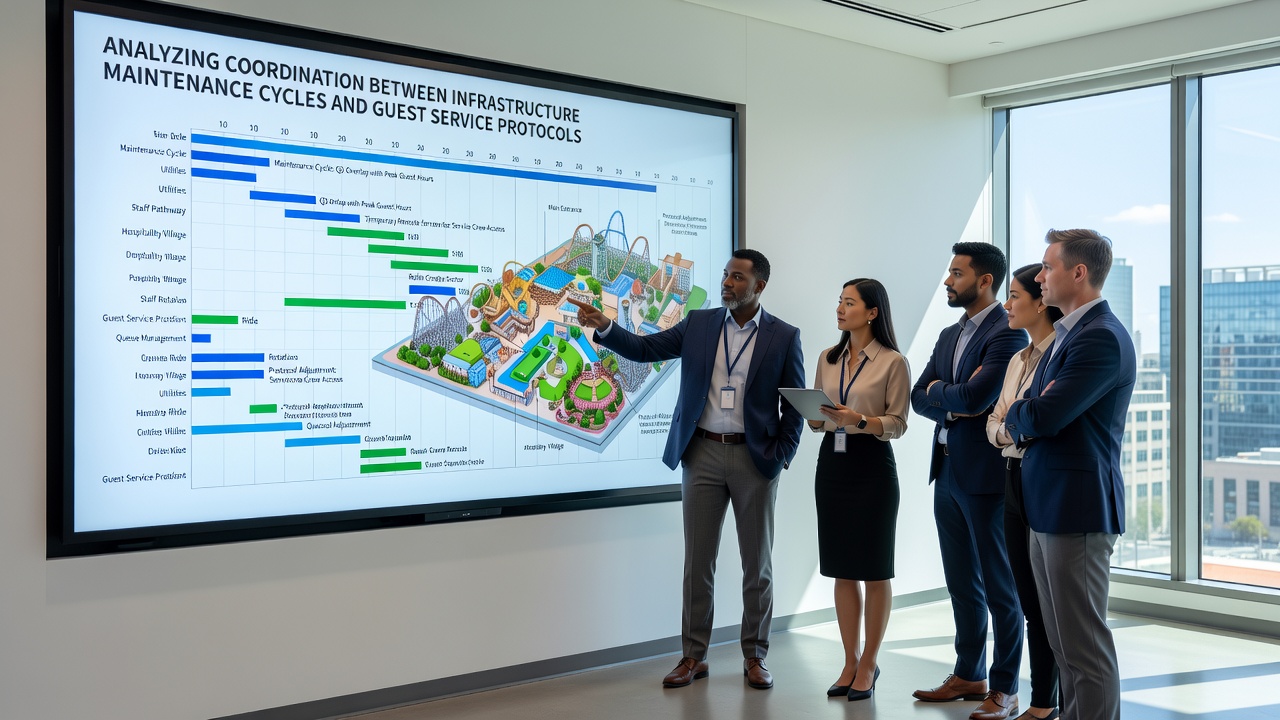
Releases issued around July 2026 demonstrate increased use of visual timelines that map maintenance phases against service availability calendars. These graphics typically appear alongside textual explanations and help stakeholders visualize overlaps between construction activity and peak guest hours. Observers tracking these documents note that properties with multi-property portfolios apply standardized templates across locations while allowing site-specific service adjustments.
Cross-referencing maintenance announcements with contemporaneous service updates reveals recurring strategies for managing high-traffic periods. Properties often schedule intensive infrastructure work during mid-week lulls, then publish corresponding service protocols that extend operating hours on unaffected floors or add pop-up amenities. This approach surfaces repeatedly in official documentation and suggests a deliberate effort to balance capital improvement needs against revenue-generating guest experiences.
Conclusion
Analysis of official casino releases demonstrates clear mechanisms for coordinating infrastructure maintenance cycles with guest service protocols across multiple jurisdictions. The integration of timelines, contingency measures, and communication strategies within single documents provides stakeholders with comprehensive views of operational planning. Patterns observed through mid-2026 releases indicate continued refinement of these practices as operators respond to regulatory requirements and guest expectations for minimal disruption.